

Forever smarter with our new free membership 🎉

Subscribe
All yours

Newsletter + Reports + Courses

Get free access
SECOND LOVE
6 March 2026

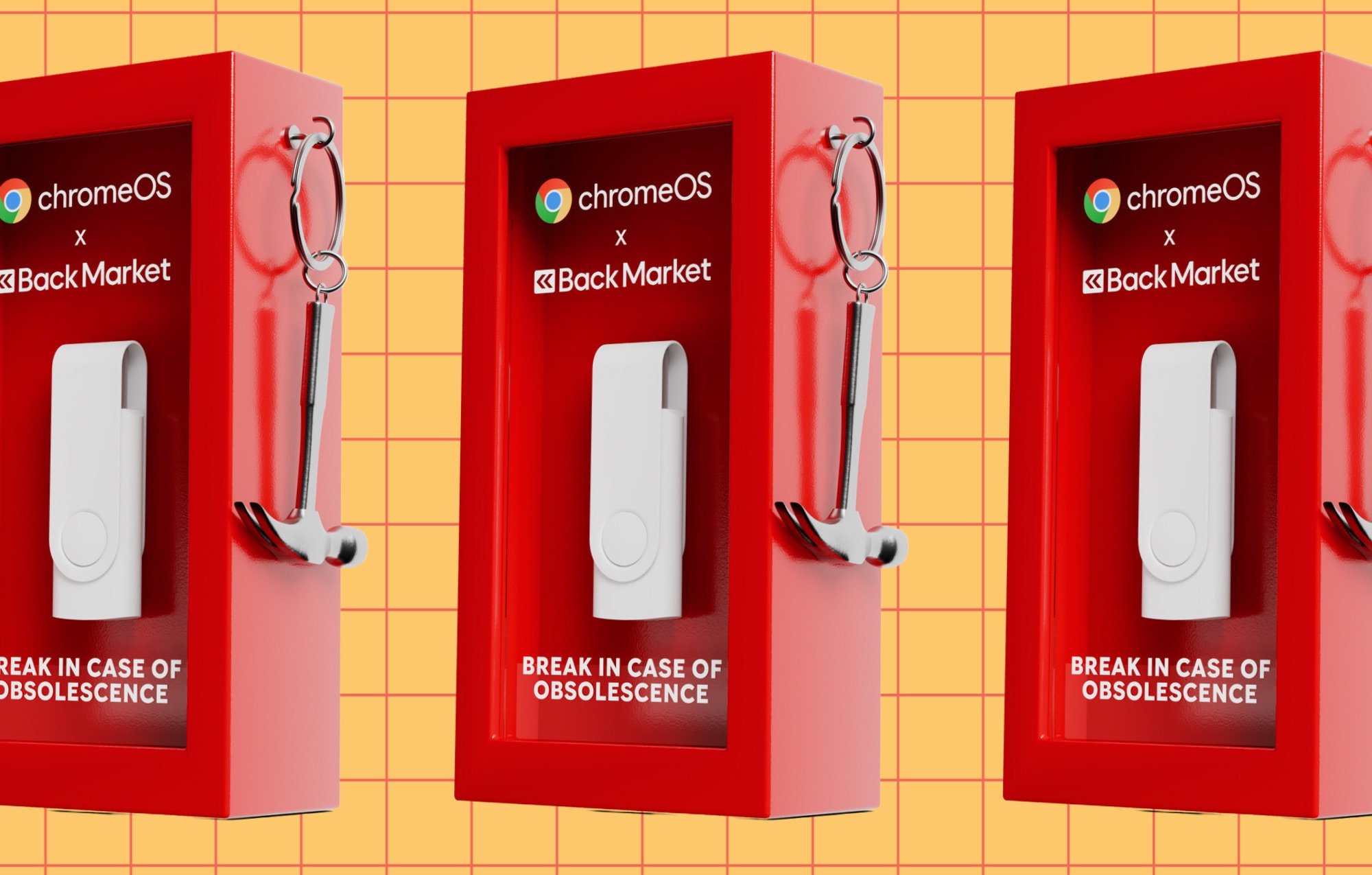
Back Market and Google's ChromeOS Flex USB pilot offers a cheap and easy solution to extend a laptop's life, challenging planned obsolescence in tech.

Of the millions of metric tons of electronic waste generated every year, a significant chunk comes from laptops discarded because their operating systems have reached end-of-life. Back Market, a marketplace for refurbished tech, is partnering with Google on a pilot program that offers a practical workaround: ChromeOS Flex on a USB stick. The idea is to give compatible older Windows and Mac laptops a new lease on life by installing Google's cloud-first operating system, which shifts computing intelligence and security updates away from aging hardware and into the cloud. It's a straightforward way to keep functional hardware in service rather than sending it to landfills.

As computing migrates to the cloud and AI capabilities increasingly run on servers rather than on devices, the traditional calculus of what makes a laptop "obsolete" is being challenged. A machine that struggles with the latest version of Windows might run perfectly well as an access point to web-based applications and cloud services. Back Market and Google are framing this not as a stopgap for the tech-poor, but as a legitimate strategy for anyone who'd rather not replace hardware that still works. Back Market will sell the sticks for USD 3 starting March 30.

TREND BITE
Consumers are increasingly aware of (and fed up with) planned obsolescence, particularly the kind driven by software support timelines rather than actual hardware failure. By decoupling device longevity from operating system lifecycles, ChromeOS Flex offers a plug-and-play solution for anyone tired of being told their perfectly functional laptops are somehow "done." The cloud-first approach also quietly reframes what we mean by device performance. If the heavy lifting happens elsewhere, older machines remain viable far longer than manufacturers' upgrade cycles would suggest. It's a model that could resonate strongly as economic pressures and environmental concerns converge, making the constant churn of new devices feel less like progress and more like waste.

URBAN HEALING
5 March 2026

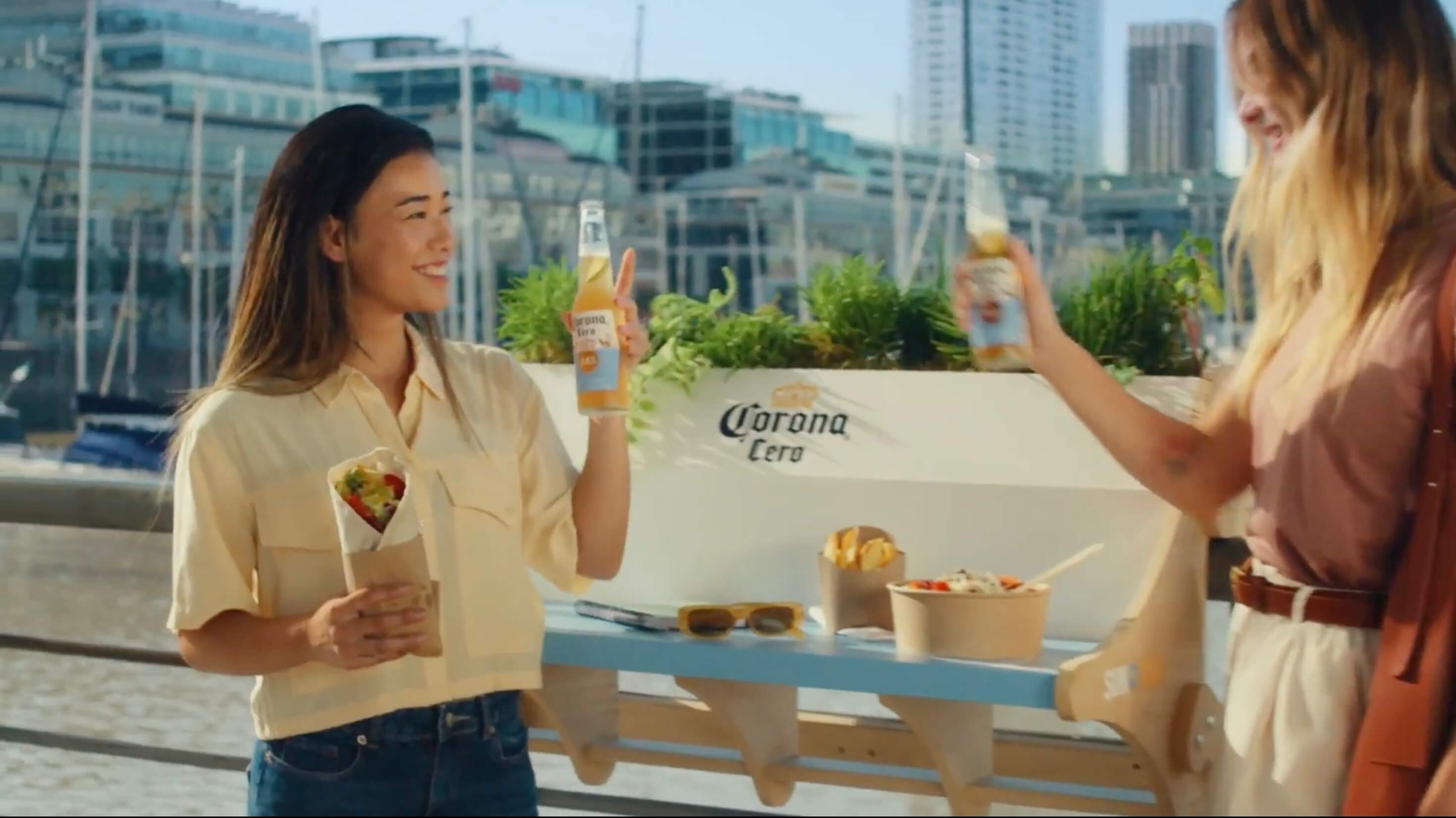
In increasingly shaded cities, Corona Cero is staking out slivers of sunshine.

The no-alcohol beer brand has launched Sun Tags: branded tables and seating attachments that clip onto existing urban infrastructure like railings and lamp posts, transforming underused public spaces into lunch break refuges. Kicking off in Buenos Aires before expanding to Japan and South Africa, the initiative pairs physical installations with a digital map that tracks where sunlight lands between noon and 2 pm, helping office workers locate pockets of daylight in their concrete surroundings.

Each Sun Tag includes a QR code that unlocks a free Corona Cero at nearby retailers, positioning the drink as part of the midday ritual rather than just an alcohol-free alternative for evenings. It's a straightforward solution to a genuine friction point: as urban density increases and building heights climb, finding outdoor lunch spots with actual sun exposure has become harder. Corona Cero isn't inventing a new behavior — people already want to spend lunch outside — but it's removing barriers by identifying and activating spaces that were previously overlooked or impractical for a proper break.

TREND BITE
This activation works because it addresses real urban design shortcomings rather than manufacturing a problem to solve. Cities have created unintentional shade deserts where workers are increasingly disconnected from natural light during daytime hours,  a concern that intersects with growing awareness around mental health, circadian rhythms and the psychological cost of being indoors all day. By providing both infrastructure and information, Corona Cero is essentially doing lightweight urban planning work that municipalities struggle to execute.

The campaign also reflects how no-alcohol brands are maturing beyond "evening alternative" positioning into daytime occasions where alcohol was never really present anyway. Corona Cero isn't competing with regular beer here; it's competing with staying at your desk, eating lunch hunched over a screen, or settling for shadowy corners because you can't quickly identify better options. That's a much larger territory to own, and one that aligns the brand with workplace wellness and quality of life rather than just alcohol moderation messaging.

MASS MINGLING
4 March 2026

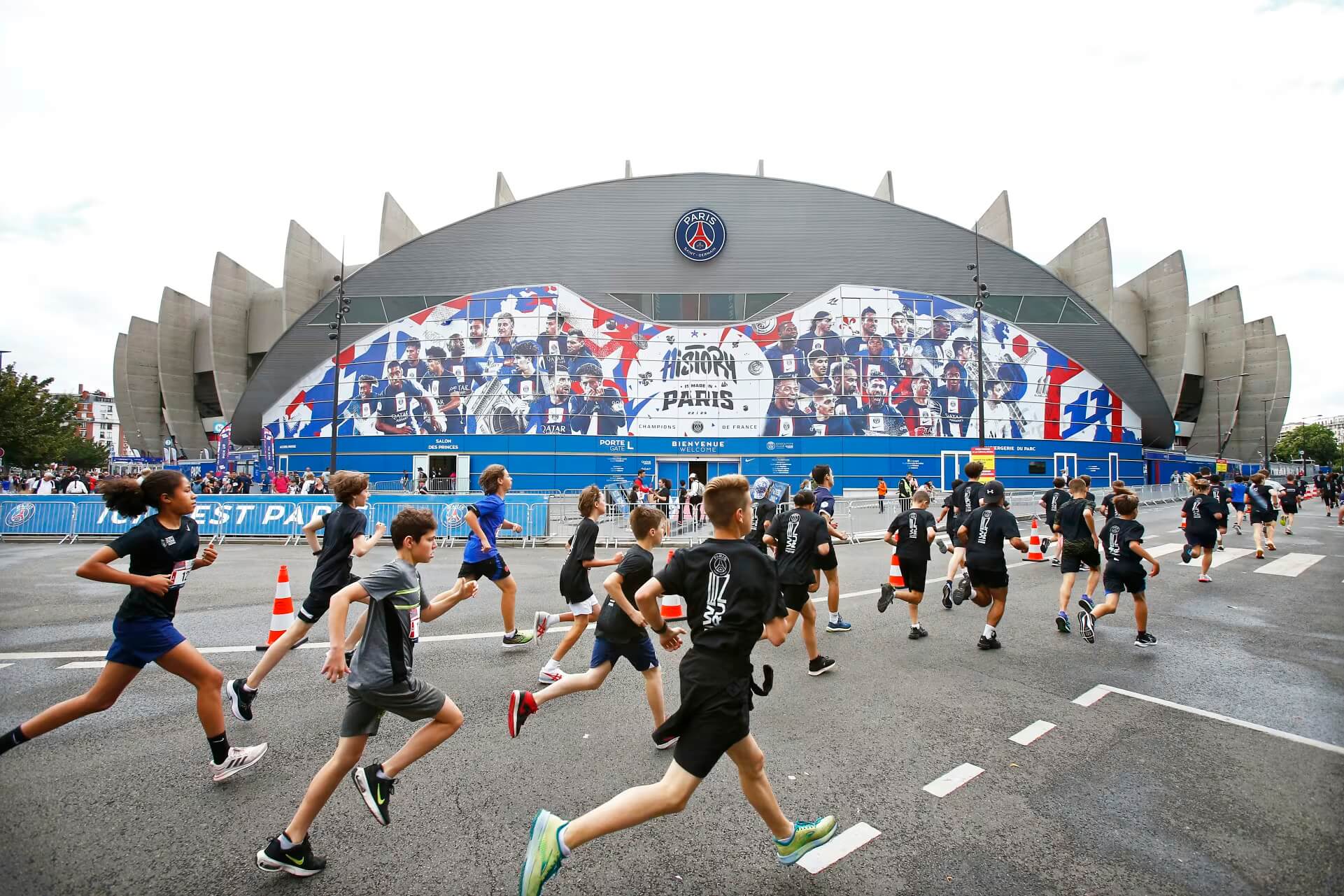
Tickets for Paris Saint-Germain's We Run Paris were gone within a few hours. The club's new running program aims to turn passive fandom into daily activity.

When PSG launched We Run Paris in 2023, more than 10,000 people raced through western Paris and crossed the finish line in front of the Parc des Princes. The second edition, scheduled for June 28, sold out within hours — a signal that the club is onto something bigger than a branded 10K. PSG Running, unveiled last month, is the club's attempt to turn that energy into a year-round movement: international run clubs (launched first in London), a digital PSG Run Club on Strava, and four-time Olympic champion Sir Mo Farah as ambassador.

The program is built for scale. PSG is leaning on Nike and tapping its network of 180 official supporters' clubs and PSG Academies in 22 countries to seed local activations globally. Instead of just focusing on adults, PSG Run Club welcomes kids, too, including four courses for children aged 7 and up. And the Strava integration is a smart move: it embeds PSG into the daily habits of an already highly engaged running community, rather than asking people to adopt a new platform from scratch.

TREND BITE
Running has become one of the most culturally potent sports around. An estimated 600 million people run regularly, and participation is still climbing, especially among women. PSG's play is less about fitness and more about belonging. Wrapping your brand around a popular physical activity is a powerful way to deepen community ties and become embedded in people's daily routines. The sell-out speed of We Run Paris tickets is a reminder that people aren't just looking for products or entertainment — they're looking for communal experiences. PSG Running transforms passive soccer supporters into active members of a shared, physical ritual.

NEW NORMAL
3 March 2026

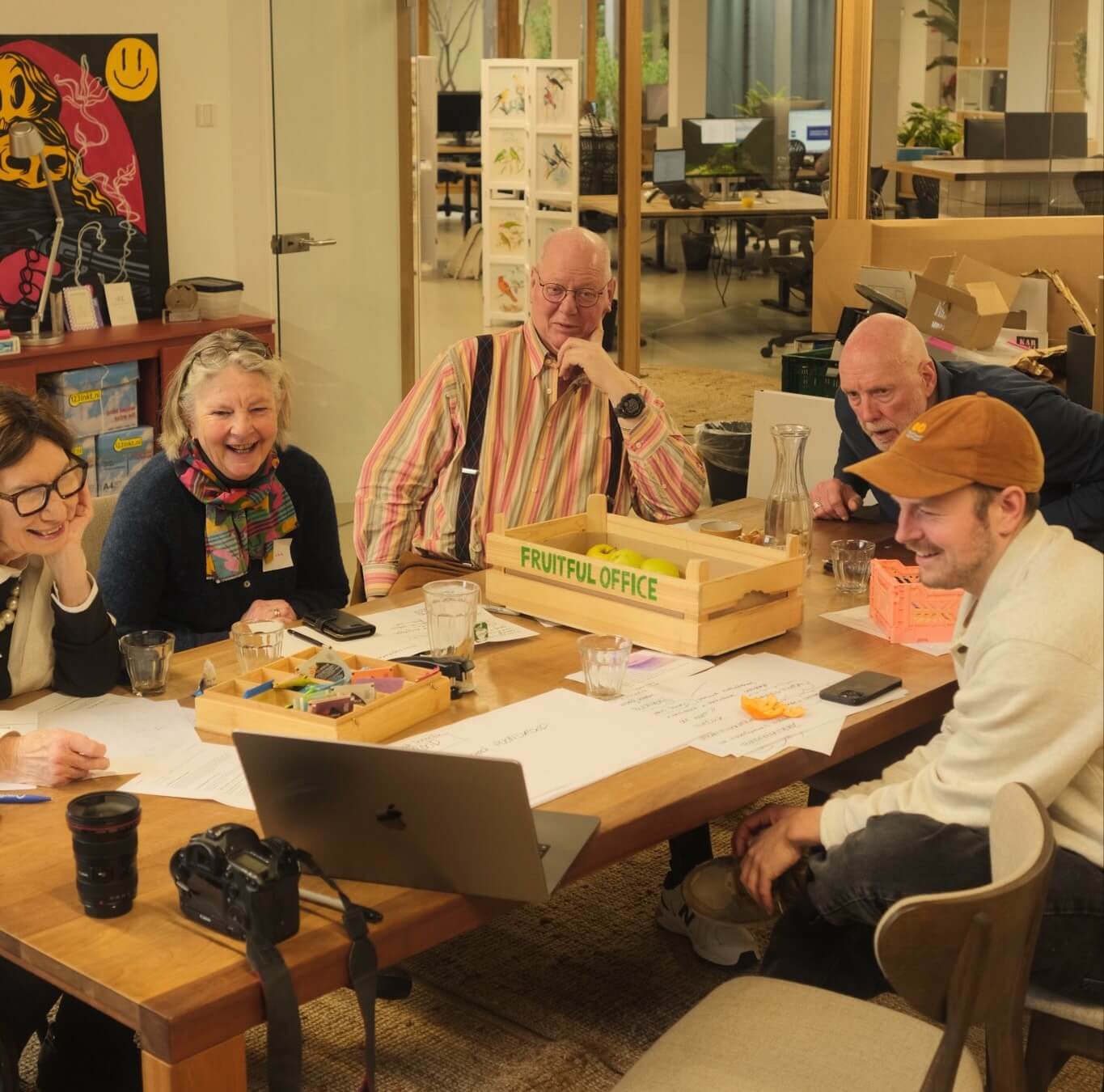
Hundreds of people applied when Tosti Creative called for senior creatives. Twelve were selected — and their ideas stuck.

When creative agency Tosti Creative set out to address loneliness among an aging population, the older folks they spoke to came up with a better idea. As managing director Stefan Bothoff recalls: "They told us: 'Can't we just come and brainstorm with you? We want to participate. I may be old, but I'm not stupid.'" So that's exactly what happened. In December 2025, Tosti put out an open call for creatives aged 70 and over. Hundreds applied. Twelve were selected, and in January, they showed up at the agency's Amsterdam headquarters and set to work on client briefings.

Split into three groups, mixed by age, background and gender, they tackled briefs for Vodafone Foundation (digital skills for older adults), Funda (housing market mobility), and Takecarebnb (matching refugees with host families). By the afternoon, the seniors were presenting their concepts. The ideas weren't shelved as feel-good PR, either: according to Bothoff, all three projects were well received by the clients, and two are now in talks to be developed further.

The team realized that working with seniors gave them new insights and fresh perspectives. And the appreciation went both ways. As senior creative Katinka Hofstede van Beek said over coffee at the farm where she volunteers weekly, she and the other participants would happily join Tosti for another briefing. Katinka, an illustrator, knows she's often perceived as an old lady. But inside, she says, she's still 25 — with a mind bursting with ideas.

TREND BITE
The advertising industry rarely considers the creative potential sitting at the not-so-young end of the age spectrum. That's a missed opportunity. Older adults bring pattern recognition sharpened over decades, an intuitive grasp of what resonates across generations, and a directness that cuts through groupthink.

For brands, the benefits are even clearer. Older consumers command significant spending power, particularly in markets like the Netherlands, Germany, the UK, Japan and the US. Yet they remain underrepresented in advertising, and when they do appear, they're frequently flattened into tropes. Involving them upstream in strategy and concept development can surface insights and nuances no trend report can replicate ;)

LEGISLATIVE BRANDS
2 March 2026

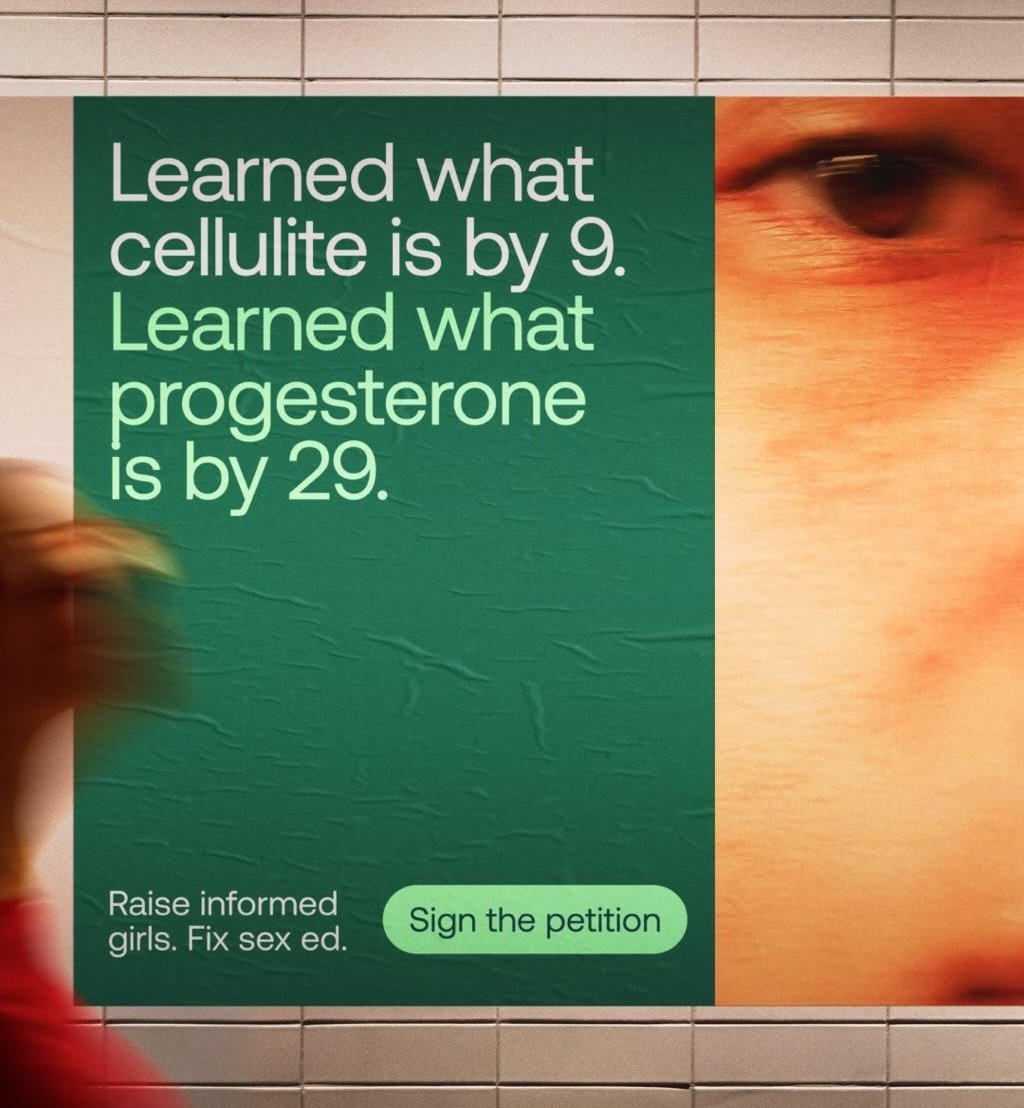
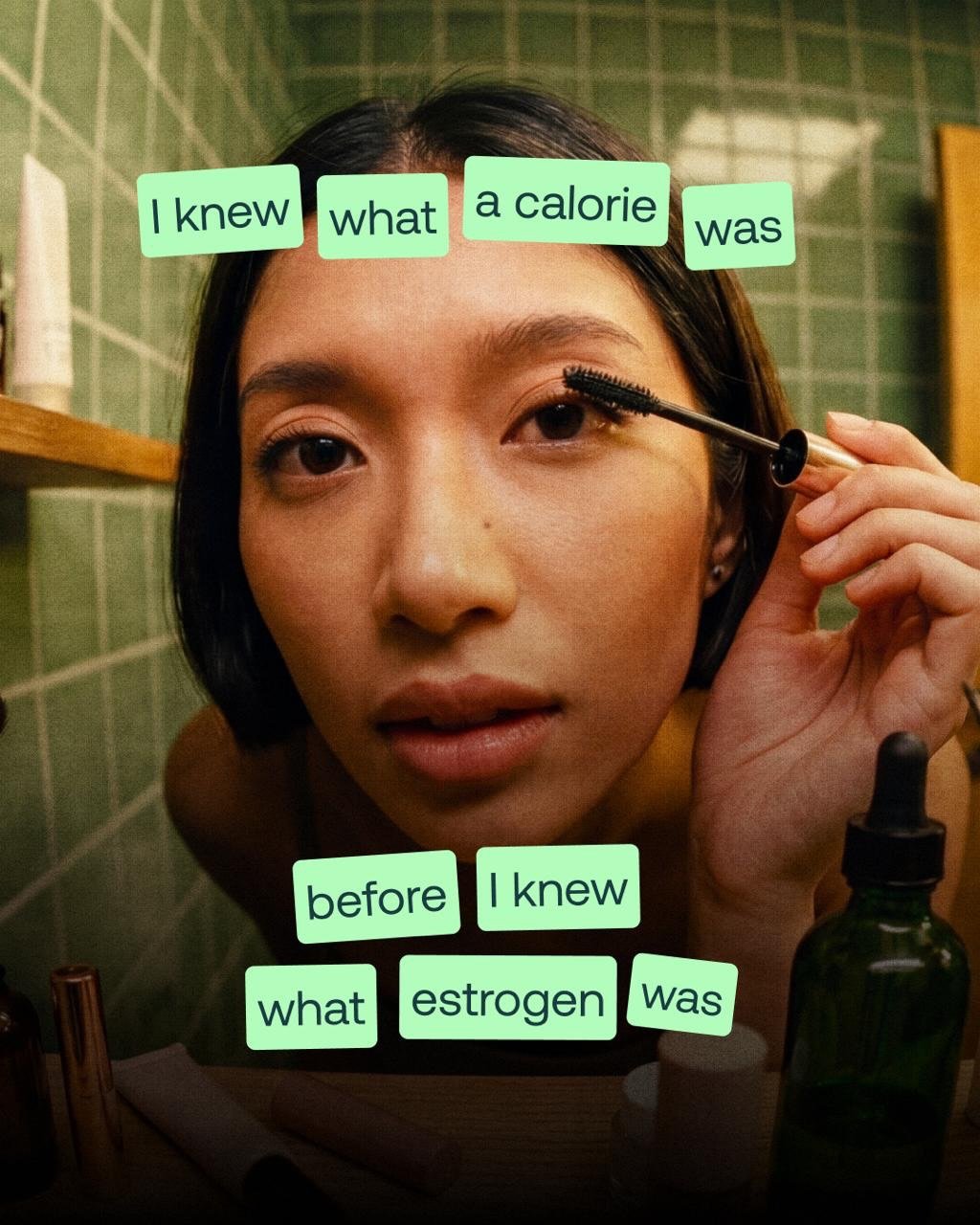
Hormonal health shapes sleep, metabolism and mental health — yet most sex ed stops at puberty basics. Mira wants schools to do better.

Most women learn about their hormonal health the hard way — through unexplained symptoms, frustrating diagnoses or years of being told their cycles are "just irregular." Mira, a San Francisco-based hormonal health company, is pushing back against that reality with a petition calling for mandatory, medically accurate sex and hormonal health education in all US public schools. The campaign is backed by sobering data: in a survey of its community, Mira found that 90% of women say sex education failed to prepare them for real life.

The petition calls for a curriculum that goes well beyond basic puberty lessons to cover menstrual cycle phases and hormonal regulation, the role of reproductive hormones in sleep, metabolism and stress, fertility literacy across different life stages, and early recognition of conditions like endometriosis and PCOS. While the situation is particularly dire in the US, where only 19 states require sex education to be medically accurate, even in countries that mandate decent sex education, the focus is frequently limited to pregnancy prevention and sexually transmitted infections.

TREND BITE
Mira's campaign positions hormonal literacy not as a niche women's issue but as a public health imperative. When students understand how estrogen and progesterone influence everything from insulin sensitivity to mental health, they are better equipped to seek care early, communicate symptoms clearly, and advocate for themselves in clinical settings.

It reflects a broader shift in how health companies are positioning themselves as advocates. Brands with deep ties to a specific health community increasingly have access to the kind of real-world data — on symptoms, diagnoses, and knowledge gaps — that public health institutions often lack. That gives them both the credibility and the commercial incentive to push for systemic change.

mira-calorie

THE COMPUTENT
27 February 2026

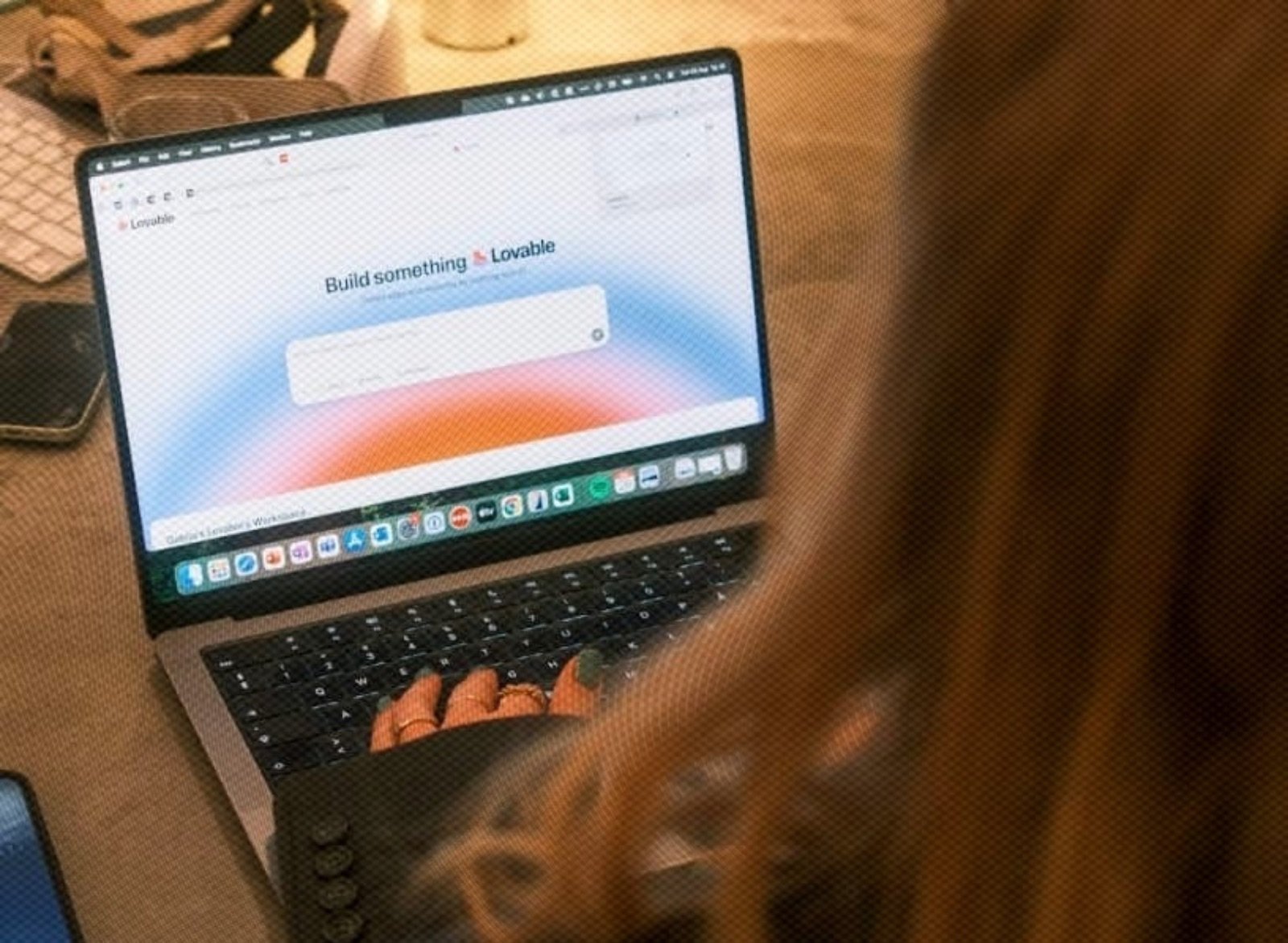
On March 8th, AI-powered app builder Lovable is making its platform entirely free for 24 hours to mark International Women's Day.

The initiative, dubbed SheBuilds and offered in partnership with Anthropic and Stripe, pairs free platform access to Lovable with USD 100 in Claude API credits and USD 250 in Stripe fee credits per participant. It's a package designed to remove the financial friction that might keep aspiring builders from experimenting. Over 30 community-hosted events across 17 countries will offer in-person support from experienced users, while an online track connects participants globally through Lovable's Discord server.

Lovable is a "vibe coding" platform, a tool that lets users describe what they want in plain language to generate functional web applications without requiring traditional coding skills. Why it's a good match for Women's Day? The persistent gender gap in tech. Women make up roughly a quarter of the global tech workforce and an even smaller share of technical and leadership roles.

By stripping away both the cost barrier and the coding prerequisite, SheBuilds is essentially proposing a shortcut around the traditional tech route — one that sidesteps gatekeeping and asks: what would you build if technical barriers didn't exist? (As coding automation ramps up at smoldering speeds, it's uncertain what "tech work" will even mean in a year or two. Areas where women already perform strongly, like product thinking, user empathy, problem framing and communication, might actually become more valuable.)

TREND BITE
SheBuilds is part of a broader shift in how to approach inclusion — moving from symbolic gestures toward initiatives that hand people tangible tools and agency. Rather than hosting a panel discussion or releasing a branded social post, Lovable is betting that the most empowering thing it can do is get its product into more hands and let the results speak for themselves. Access, not just awareness, drives change. Takeaway for other brands: pair a cause with some genuine utility for outcomes that extend well beyond a day on the calendar.

TRIBEFACTURING
26 February 2026

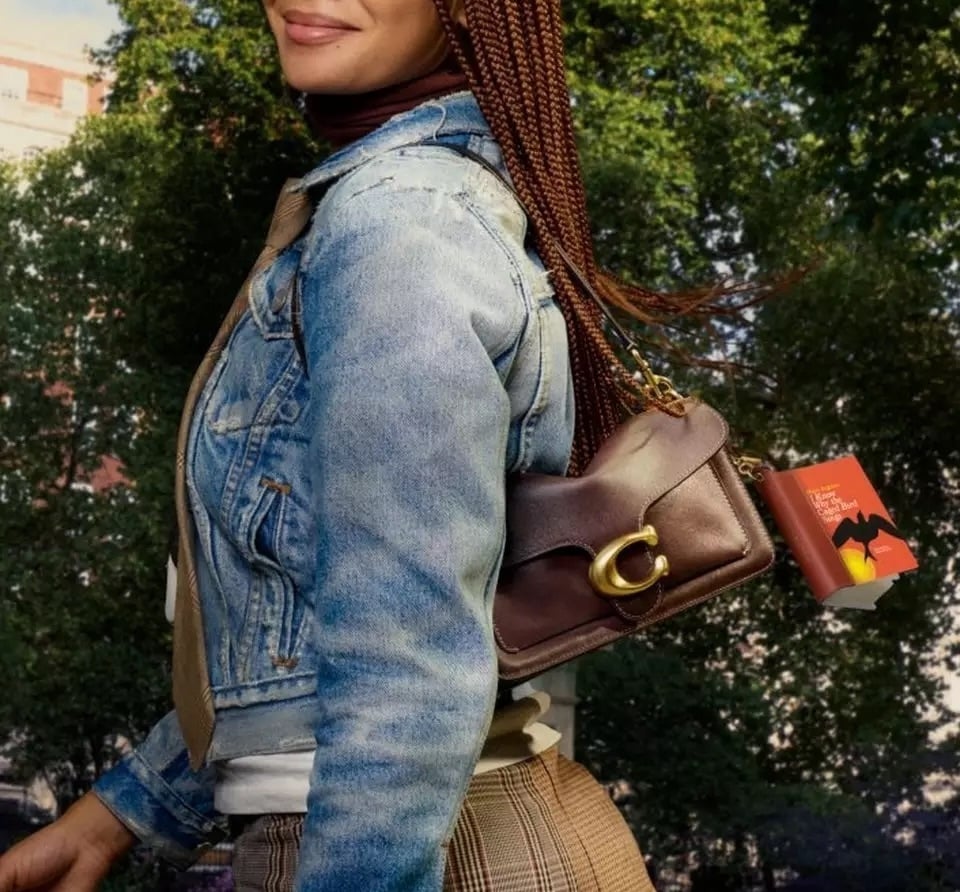
Miniature book charms dangle from bags as Coach and Penguin Random House merge fashion with Gen Z's reading revival. 

In a world of eight-second attention spans and infinite scroll, Gen Z is doing something unexpected: picking up books. Physical book revenues have grown 40% over the past decade, Barnes & Noble opened nearly 70 new stores in 2025 alone, and BookTok continues to turn obscure titles into bestsellers overnight. Now, Coach and Penguin Random House are riding that wave with a collaboration that merges fashion and literature in miniature form. 

Launching globally on March 7, the Explore Your Story collection features fully readable micro-book charms — tiny hardcovers with embossed spines and legible pages — designed to clip onto Coach's signature Tabby bags. Titles include Maya Angelou's I Know Why the Caged Bird Sings, Jane Austen's Sense and Sensibility, and Glennon Doyle's Untamed, each selected with input from Gen Z readers, Reese Witherspoon's Sunnie Book Club, and China Youth Daily. Coach worked with Penguin Random House in the US and independent publishers across China, Japan and Korea. Coach is also activating through college campus tours, in-store "Book Nooks," and partnerships with platforms like Bilibili in China. Book charms are priced at USD 95 each.

TREND BITE
The charms function as a cultural signal: not just "I accessorize," but "this is the story I carry with me." Coach has effectively turned literature into a wearable identity marker, tapping into the same impulse that drives BookTok hauls and TikToks of annotated pages. The broader play is smart, too. As the bag charm market matures past peak Labubu and playful novelty, brands could do worse than to offer something with more substance. Readable content with emotional resonance is a compelling answer. It also gives Coach a repeatable model: fan-sourced title requests are already rolling in on TikTok for future drops, essentially crowdsourcing a product roadmap built on cultural affinity rather than seasonal trend cycles.

SERENDIPITY SEEKERS
26 February 2026

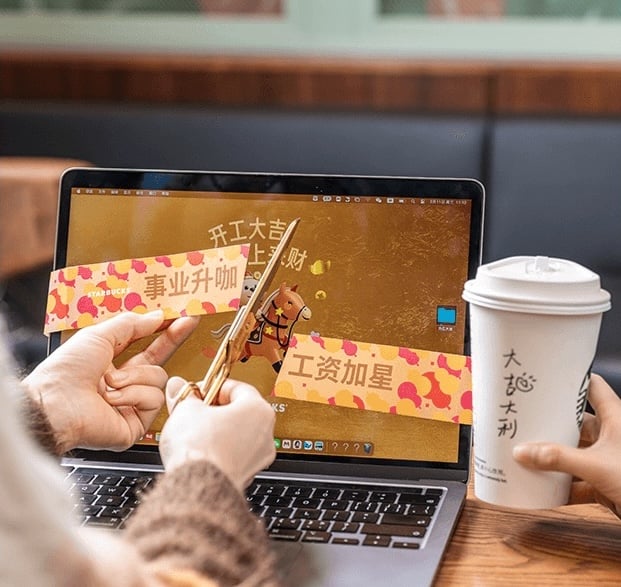
For the back-to-work moment after CNY, Starbucks handed out ribbon-cutting strips to transform the office return into a miniature grand opening.

The eighth day of the Lunar New Year carries a specific cultural weight in China: it's 开工日, the day when businesses traditionally return to operation and people file back to work. Starbucks timed its latest activation precisely to that moment. Customers who bought any drink on February 24th or 25th received one of six colorful ribbon-cutting strips designed to be wrapped around a laptop so the owner could perform a mini grand-opening ceremony at their desk. Starbucks also offered back-to-work wallpapers for phones and computers, plus a custom emoji set.

The campaign sparked predictable debate on Chinese social media, where some users criticized it as trivializing the collective dread of returning to work. But that pushback may have missed the point. While everyone was beset by the post-holiday blues, what Starbucks delivered was a small, low-stakes ritual for customers who might be feeling a little meh and lacking enthusiasm. As whimsical as it is, the ribbon-cutting ceremony reframes the return to the office as a beginning rather than an ending — a new doorway rather than the closing of the holiday.

TREND BITE
Starbucks' tiny desk ceremony is a tight example of what happens when brands earn relevance not by inventing a cultural moment but by understanding one that already exists. 开工 culture — with its mix of reluctance, superstition and genuine desire for a fresh start — gave Starbucks a readymade emotional tension to work with. The ribbon-cutting strips traveled well on social media precisely because they're slightly absurd.

In feeds saturated with polished campaign films and heavy-handed purpose plays, the low-fi charm of taping a ceremonial ribbon to your MacBook felt refreshingly unserious yet empathic. It didn’t ask anyone to believe that work is bliss. It simply offered a prop and encouragement to treat the first login of the year as a moment worth marking.

DREAMS UNBOUND
25 February 2026

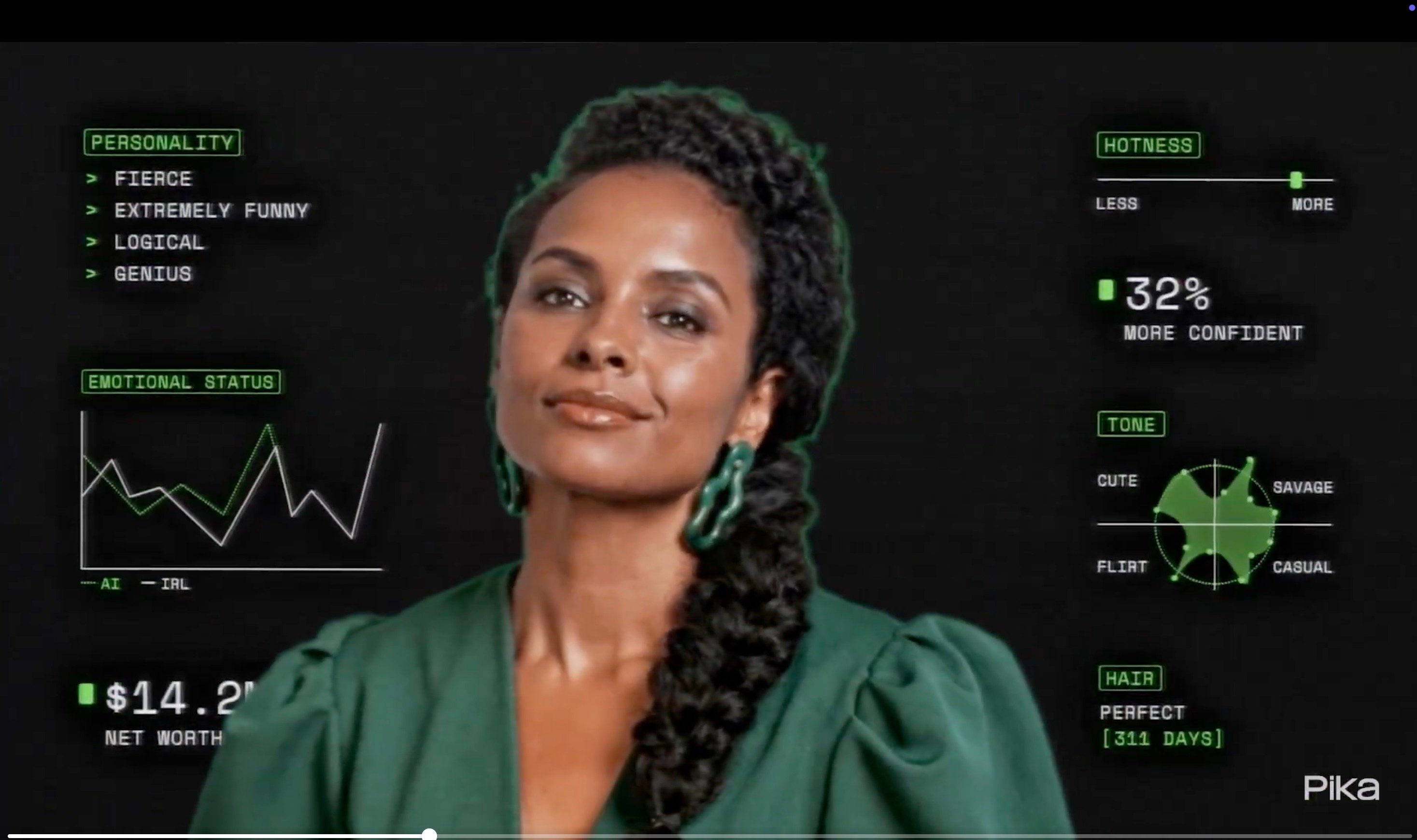
A new tool allows users to create multimodal digital surrogates that operate across messaging apps, scaling their presence and acting as a mirror.

Yes, it sounds like a Black Mirror episode: an AI that looks like you, talks like you, and roams the internet answering DMs, negotiating brand deals, and posting content while you sleep. But Pika's new AI Selves platform is betting that what seems dystopian at first glance might actually be useful — and fun, too. The new tool, developed by Pika Labs (known for its AI video generator), lets users create persistent digital clones by uploading a selfie, recording their voice and answering personality questions.

The result is a multimodal AI version of the user: one they can interact with, and that acts on their behalf. AI Selves can operate across Slack, Discord, WhatsApp, Telegram and other platforms — chatting, creating content and even earning money for their humans. Users "birth" their clones, then watch them learn and evolve. They're not just chatbots executing commands; they're designed to develop personality quirks, send unprompted messages, and adapt their behavior across different contexts.

Pika's pitch leans heavily into the dystopian vibes (tongue firmly in cheek). But it also puts forth plausible and practical use cases. A content creator whose AI self makes thousands by interacting with fans while the human learns to surf. A founder whose clone handles team syncs and investor emails so they can make it to their kid's soccer game. The platform frames AI Selves as extensions rather than replacements: digital twins that scale someone's presence without the pesky limitations of having only 24 hours in a day.

TREND BITE
The narcissism alarm bells are hard to ignore. Creating an AI version of someone that performs their personality for an audience while they do literally anything else could accelerate the most self-absorbed tendencies of digital culture. However, another of Pica's hypothetical use cases suggests psychological benefits as well. The example is of someone who creates an idealized pop-star version of themselves, then finds that their clone's confidence and persistence bleed back into their own life. That feedback loop — where the digital self influences the actual human — hints at possibilities beyond productivity hacking.

The AI self is a mirror that talks back, potentially offering insights into who someone is and who they want to become. Most AI companies promise better task completion. Pika promises a holistic extension of a person: AI not as software, but as surrogate. The question isn't just whether consumers will duplicate themselves as AI clones and outsource their digital presence, but whether interacting with versions of ourselves might change us in ways we can't yet predict.

TIME SAVIORS
24 February 2026

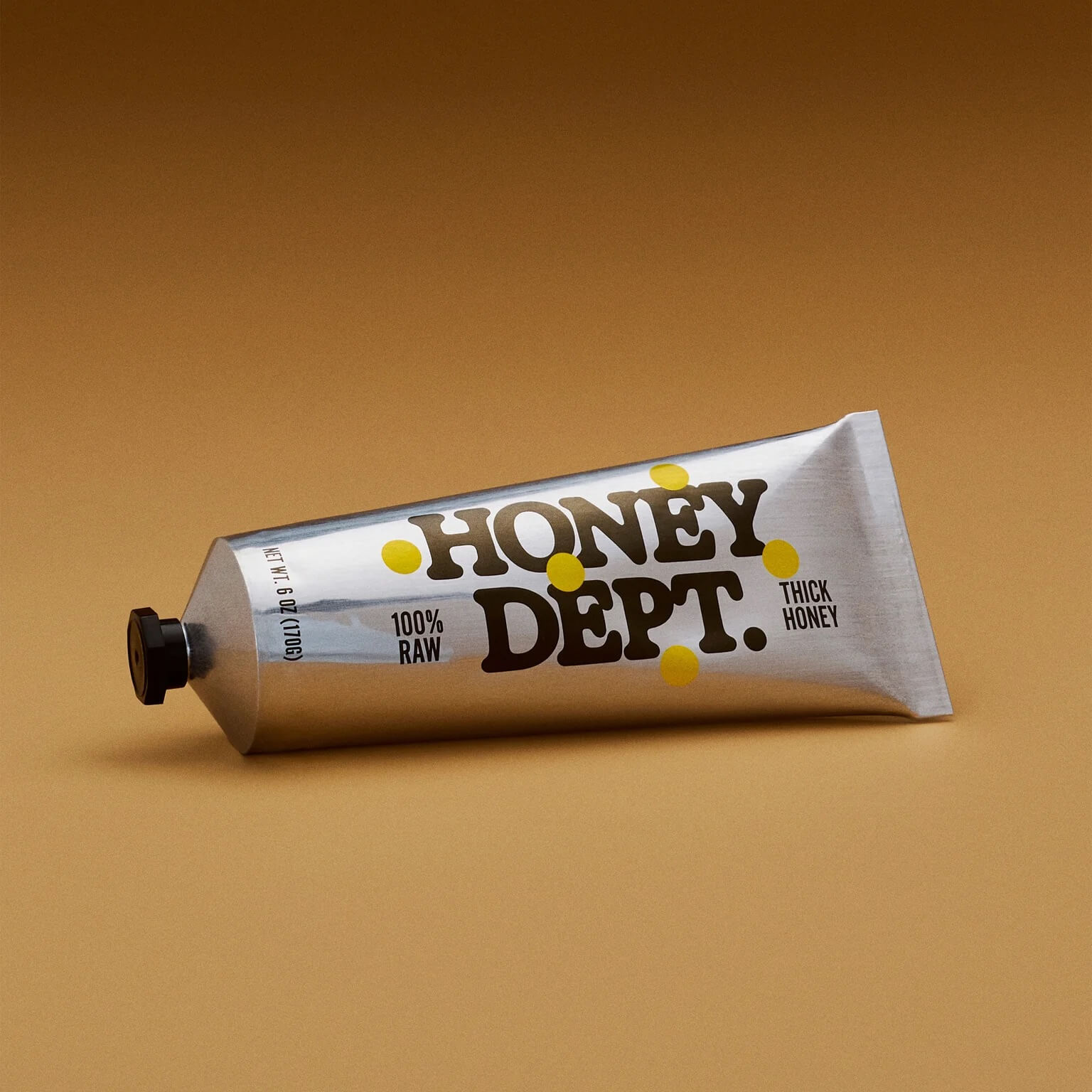
A new brand wants to change how people interact with honey by addressing two persistent frustrations: the sticky jar and the gloopy drip. 

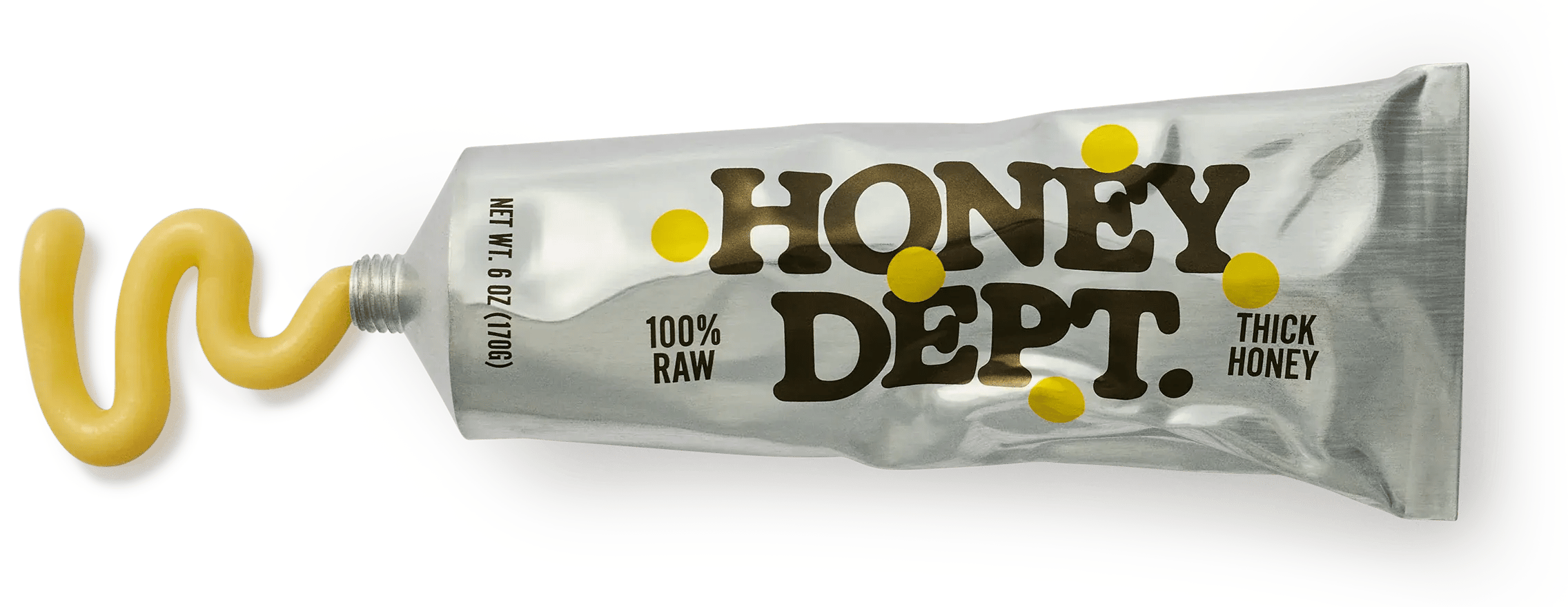
Honey Department's honey comes in a squeezable, infinitely recyclable aluminum tube, replacing the traditional glass jar or plastic container with packaging borrowed from the toothpaste aisle. The honey itself has been transformed through a "controlled micro-crystallization process" that creates a smooth, spreadable texture — thick enough to hold its shape on toast without running or dripping, yet creamy enough to squeeze from the tube.

Founded by Noah Phillips, son of a beekeeper, the product starts with 100% raw wildflower and mesquite honey sourced from a co-op in Central Mexico. The liquid honey undergoes processing at a family-owned Texas apiary, where it's transformed into what the industry calls creamed honey. By controlling crystallization to form microscopic, uniform crystals, the texture stays stable and won't turn grainy or harden. Tubes are priced at USD 15 for 6 oz (170 g).

TREND BITE
Honey Department illustrates how traditional food categories can be overhauled through format innovation rather than flavor novelty. The insight here isn't about honey itself — it's about everyday points of micro-friction. Jars require utensils, while plastic squeeze containers don't work with thick, creamy honey. And both can get messy. Tubes eliminate those snags. Making the tubes aluminum instead of plastic taps into another consumer expectation: packaging that feels both premium and environmentally considered.

For brands in mature categories, the opportunity lies in reimagining the physical experience of using a product rather than just reformulating what's inside. Format shifts can unlock new consumption occasions (desk lunches, after-workout snacks, anywhere and usage contexts that ingredient tweaks never could. (Related: Squeezing 25 espressos into an aluminum tube, No Normal fuels outdoor adventures.)

honey-department-squeeze

THE FUTURE OF MAN
23 February 2026

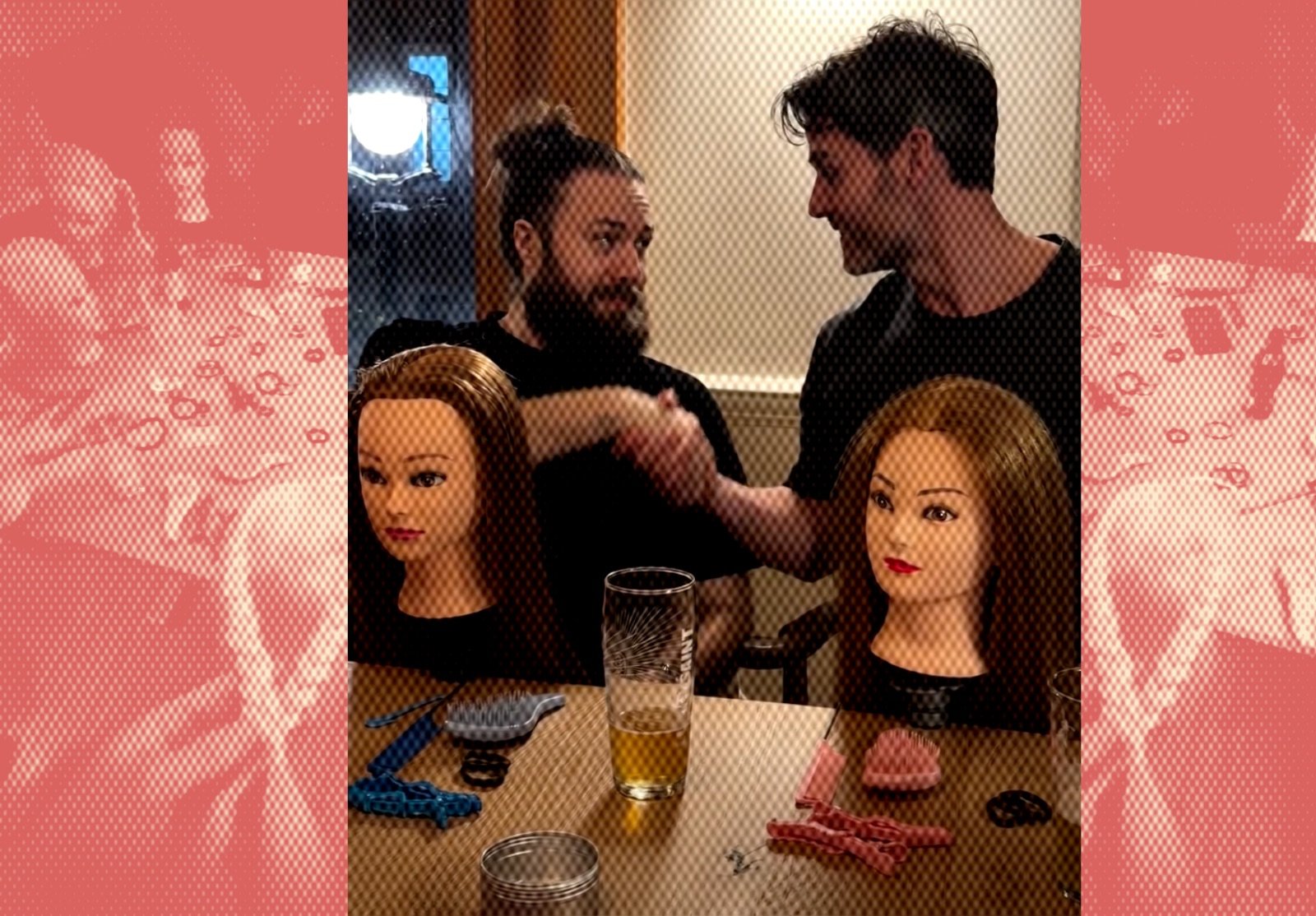
Secret Life Of Dads hosted a braiding workshop for fathers at a London pub, and tapped into something bigger than hair. 

A table full of hair mannequins, a pint in hand, and a crash course in braiding — that's the scene that played out at a Marylebone pub two weeks ago, when UK podcast Secret Life Of Dads hosted its first live event. Pints & Ponytails brought together a group of fathers who wanted to get better at something most of them had quietly struggled with: doing their daughters' hair. Trainers from Braid Maidens walked them through the basics, taking participants "from barely being able to do a ponytail to the Elsa by the end of the class."

The event, hosted above Local Saint's Marylebone pub with pints provided by the same, was deliberately low-pressure and social. That framing matters. As participant Joshua Wolrich put it afterward, "It was wonderful to meet a bunch of fellow girl dads who wanted to better their skills and share more of the unpaid emotional labor at home." On social media, the event went viral, with men in other cities looking to organize something similar in their own hometowns.

TREND BITE
Pints & Ponytails is a small event with an outsized idea: the everyday, unglamorous work of caring for children — including the 7 am scramble with a brush and a hair tie — is something fathers can and should be part of. The organizers removed any awkwardness by making the experience communal and fun. For brands and organizations thinking about how to reach millennial and Gen Z dads, this is worth paying attention to. This generation of fathers is actively looking to show up differently than their own dads did. They just need the tools, literal and otherwise, to do it.

FANTASY IRL
20 February 2026

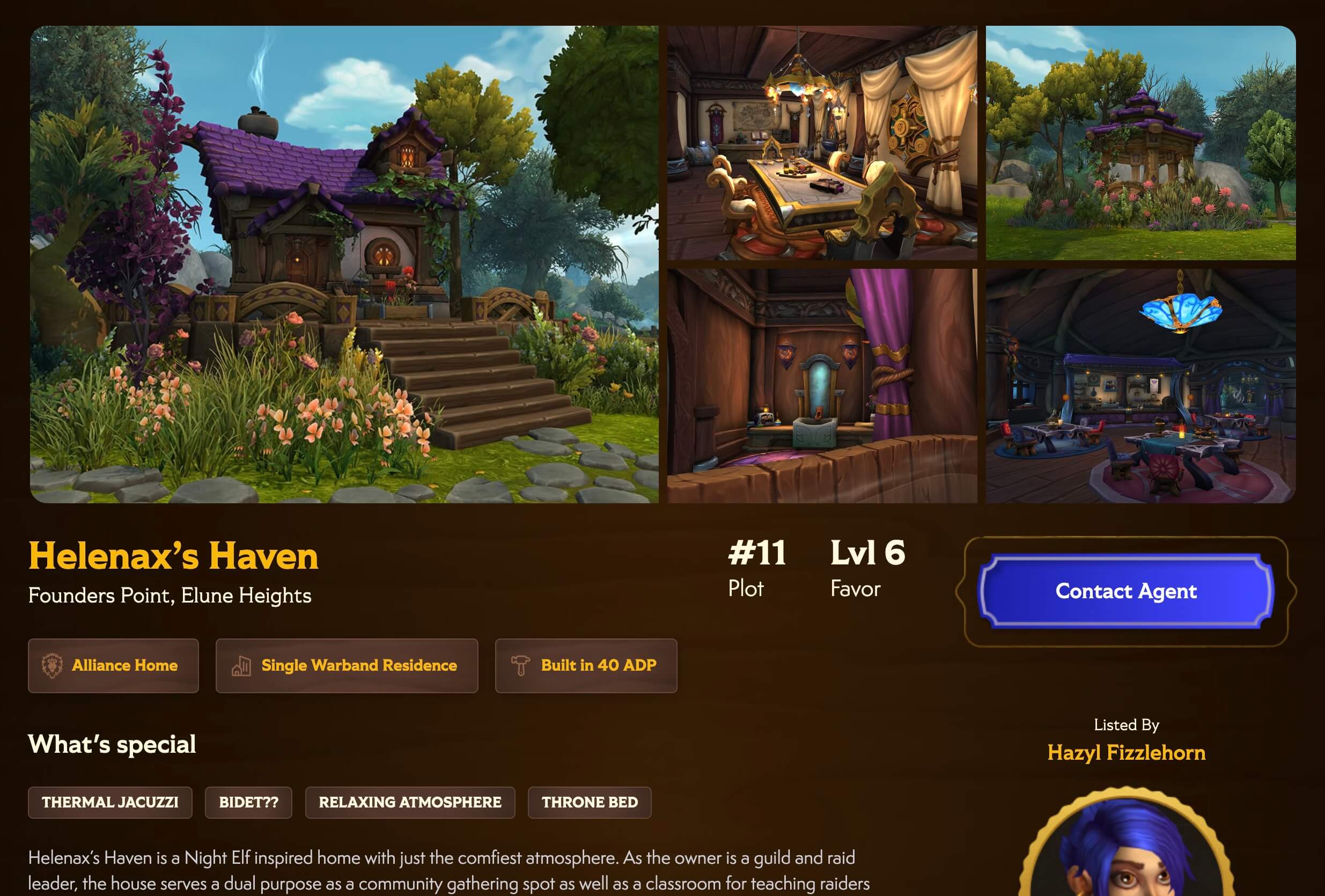
Blizzard Entertainment has finally launched player housing in World of Warcraft (a feature its community had been requesting for decades), and Zillow is jumping in with a playful crossover. 

Zillow for Warcraft is a custom microsite that lets anyone browse a curated collection of in-game homes from the fantasy realm of Azeroth, complete with 3D tours and aerial-style visuals modeled on Zillow's real-world tools. Listings range from Stormwind townhouses to Horde-influenced bungalows, and the site will continue adding player-created homes over time.

For Blizzard, the partnership lends its new housing feature cultural legitimacy beyond the gaming bubble. For Zillow, it's an entry point into one of the most loyal digital communities on earth, arriving at the precise moment players are most excited about making a space their own. The meaning transfer runs both ways: World of Warcraft channels its fandom's creative energy toward Zillow, while Zillow confers "home legitimacy" on virtual housing. If Zillow becomes synonymous with envisioning your future home — whether that home is suburban, urban, or virtual — the brand equity compounds across realities.

TREND BITE
As the boundaries between physical and digital worlds dissolve, people are increasingly eager to play at the seams, exploring moments where the real and the imagined overlap. This collaboration works because it invites exactly that kind of play: browsing fantasy homes with real-world tools, treating a digital realm with the same aspirational energy usually reserved for Sunday afternoon Zillow scrolling. The takeaway for other brands? Don't just parachute into fantasy spaces. Instead, consider crafting singular moments that have one foot in the real and one in the constructed — experiences that feel native to both worlds and forced in neither.

NORM-NUDGING
19 February 2026

The average smartphone lasts about two years before it's replaced. Vignette Tech wants to flip the script on how people feel about holding onto their devices. 

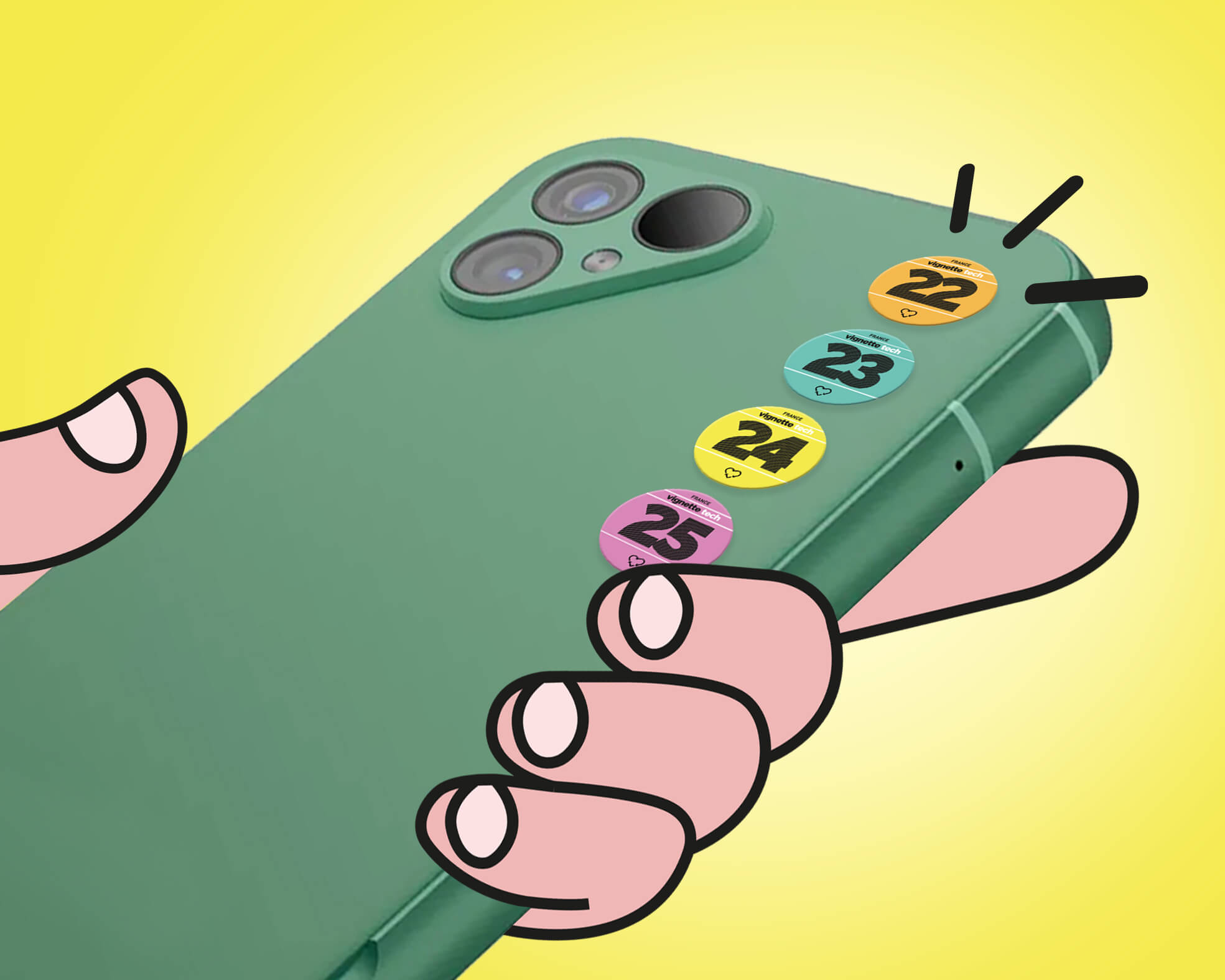
The concept is simple: colorful stickers that users stick on the back of their phones, tablets or laptops — one for each year of use. Instead of looking outdated, a phone sporting stickers reading '22, '23, '24 and '25 signals longevity. Anyone who's driven through Switzerland will recognize the inspiration: the colorful annual toll stickers that accumulate on car windshields year after year. Vignette Tech transplants that familiar visual logic onto personal electronics.

The stickers are sold in sets covering different time ranges, with the latest edition running from 2026 through 2031, and are priced at EUR 4 or 5 per sheet. There's even a "Highlander" edition, for those rocking phones or laptops from the mid-2010s. Sales proceeds from the initiative, created by French design agency Machin Bidule, also support La Collecte Tech and Emmaüs Connect, organizations working on digital inclusion and electronic waste reduction in France.

TREND BITE
With manufacturers like Google and Samsung now offering seven-plus years of software support, the technical case for holding on to a phone has never been stronger — but the pressure to upgrade remains relentless. Vignette Tech is interesting because it addresses the problem at an identity level rather than at a guilt level. Instead of lecturing people about e-waste, it makes longevity a flex. That cultural reframing aligns with a broader pattern worth replicating: brands and creators finding ways to make sustainable behavior socially desirable rather than morally obligatory.

INTERVENTION SEEKERS
18 February 2026

By protecting the workers most exposed to the sun, Lidherma turned Argentina's iconic beach churro vendors into proof points for daily SPF use. 

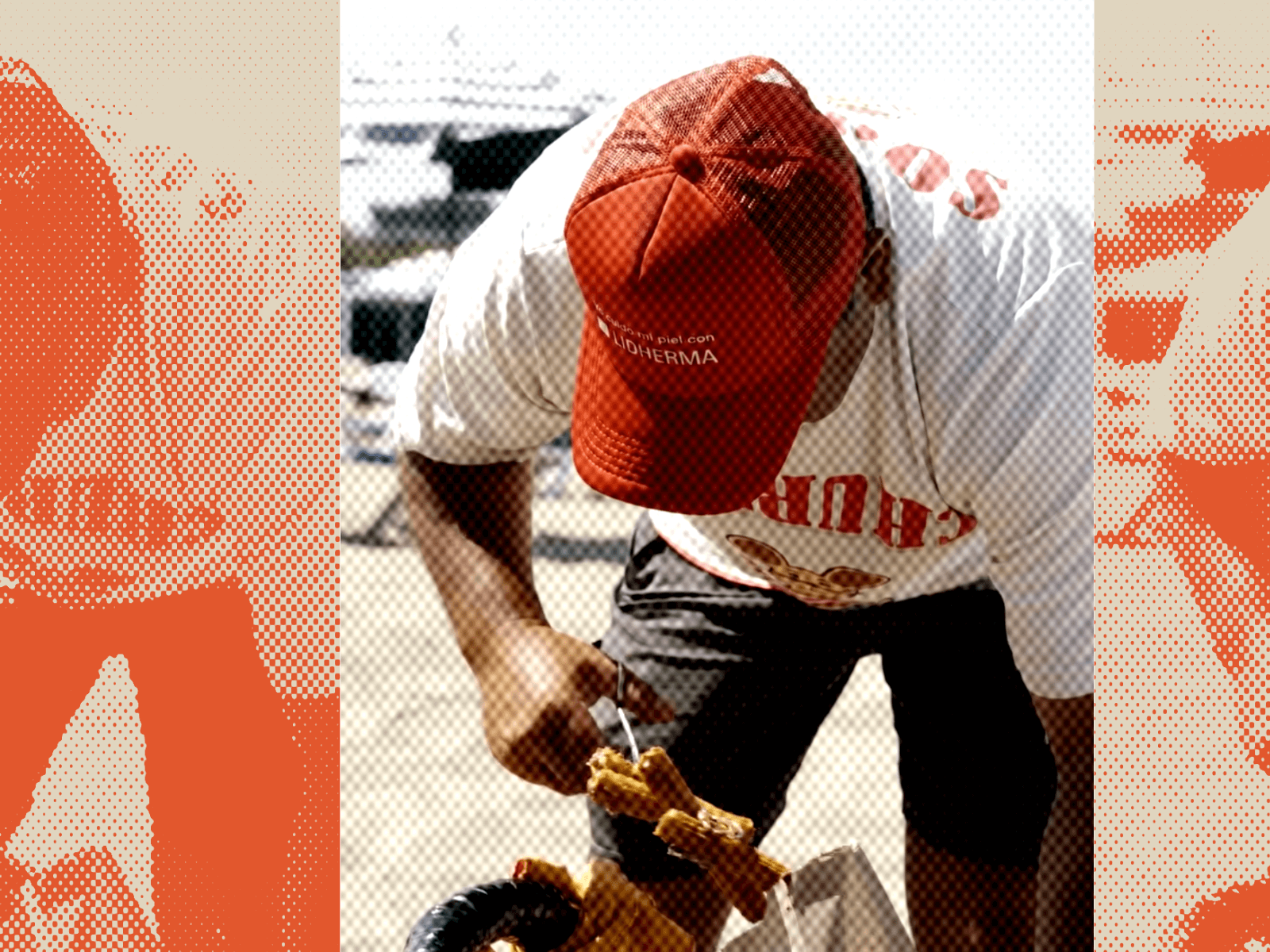
On Argentina's Atlantic coast, churro vendors are a quintessential element of summer on the beach. Walking for hours under relentless sun, baskets in hand, they're also among those most exposed to UV radiation. Skincare brand Lidherma spotted an opportunity. Partnering with El Topo, arguably the country's best-known churrería, the company equipped beach vendors in Pinamar, Mar del Plata and surrounding resort towns with sunscreen and branded caps, turning them into walking proof points for the importance of daily skin protection.

The activation extended beyond the vendors; promotional teams with customized bicycles distributed product samples and informational flyers. At El Topo's shops across coastal towns, baskets with sunscreen samples sat alongside the churros, and QR codes offered beachgoers the chance to win a year's worth of skincare. Lidherma embedded sun protection into an existing beach ritual — buying churros from a passing vendor —  at a moment when people are most exposed to the sun and might not be focused on protecting themselves.

TREND BITE
What makes the campaign land is the specificity of its empathy. Rather than a generic "wear sunscreen" message aimed at holidaymakers, Lidherma focused on the workers whose livelihoods keep them in the sun all day, every day — a group rarely considered in skincare marketing. That reframing does double duty: it gives the brand genuine social credibility while making the sun protection message more persuasive. For brands looking to activate around seasonal moments, the lesson is worth noting — the most effective campaigns don't just meet consumers where they are, they find an authentic angle that makes the message feel discovered rather than delivered.

SUBVERSION TACTICS
17 February 2026

Minocqua Marketplace aggregates 80+ vendors who've pledged not to fund MAGA candidates. A Kickstarter campaign is funding its national relaunch.

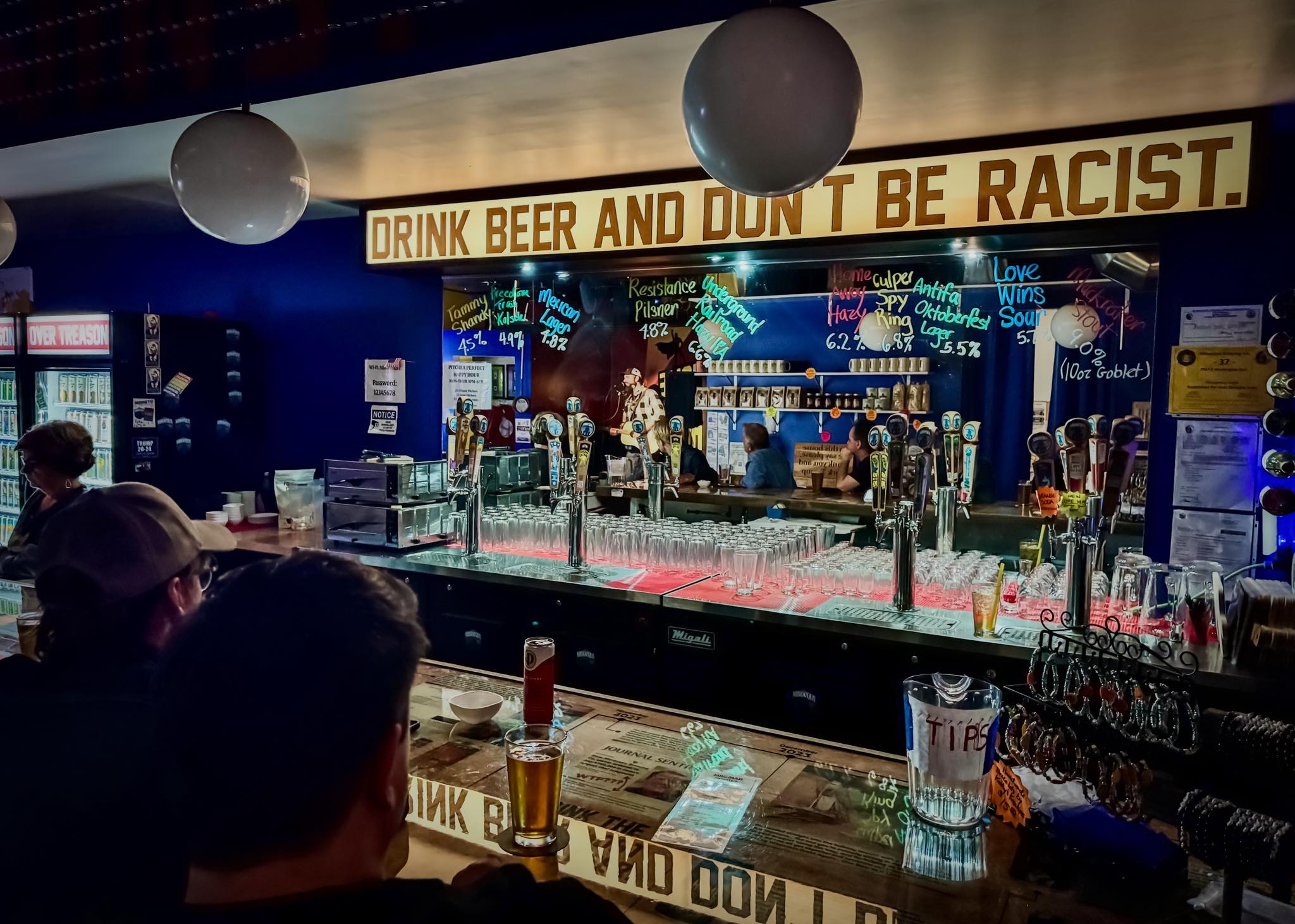
Consumer boycotts have a long history but a mixed track record. They tend to burn hot and fizzle fast, undone by the inconvenience of figuring out which companies deserve your cash and which don't. Minocqua Brewing Company, a small Wisconsin brewery that's loudly and proudly progressive, aims to solve that problem with Minocqua Marketplace. The e-commerce platform aggregates products from over 80 vendors who've pledged not to financially support MAGA-aligned candidates. The brewery recently launched a Kickstarter campaign and just crossed the USD 125,000 mark with over 1,300 backers.

Planned features include product comparison tools that display a marketplace item alongside its equivalent from a MAGA-aligned retailer, a barcode-scanning function that lets shoppers check products in physical stores for their political affiliations, and a "Certified Progressive" badge system developed with Goods Unite Us. The goal is to reduce the friction that typically kills boycott momentum. Founder Kirk Bangstad, who self-funded the initial build with brewery profits after failing to secure venture capital, is framing the relaunch as economic resistance infrastructure rather than just another online store.

TREND BITE
Minocqua Marketplace is responding to a specific need: "Help me align my money with my values. Simply, confidently and without hours of research." For brands watching from the sidelines, the takeaway is that consumers want transparency about where their money ends up, and the companies that can provide that clarity (or partner with platforms that do) may find themselves with a durable competitive advantage. Boycotts and buycotts aren't new, but platforms that systematize them — complete with verified donation data and real-time product alternatives — represent a shift from symbolic gestures to operational infrastructure. 

Back to Top